Toilet repair starts with the symptom and connected plumbing
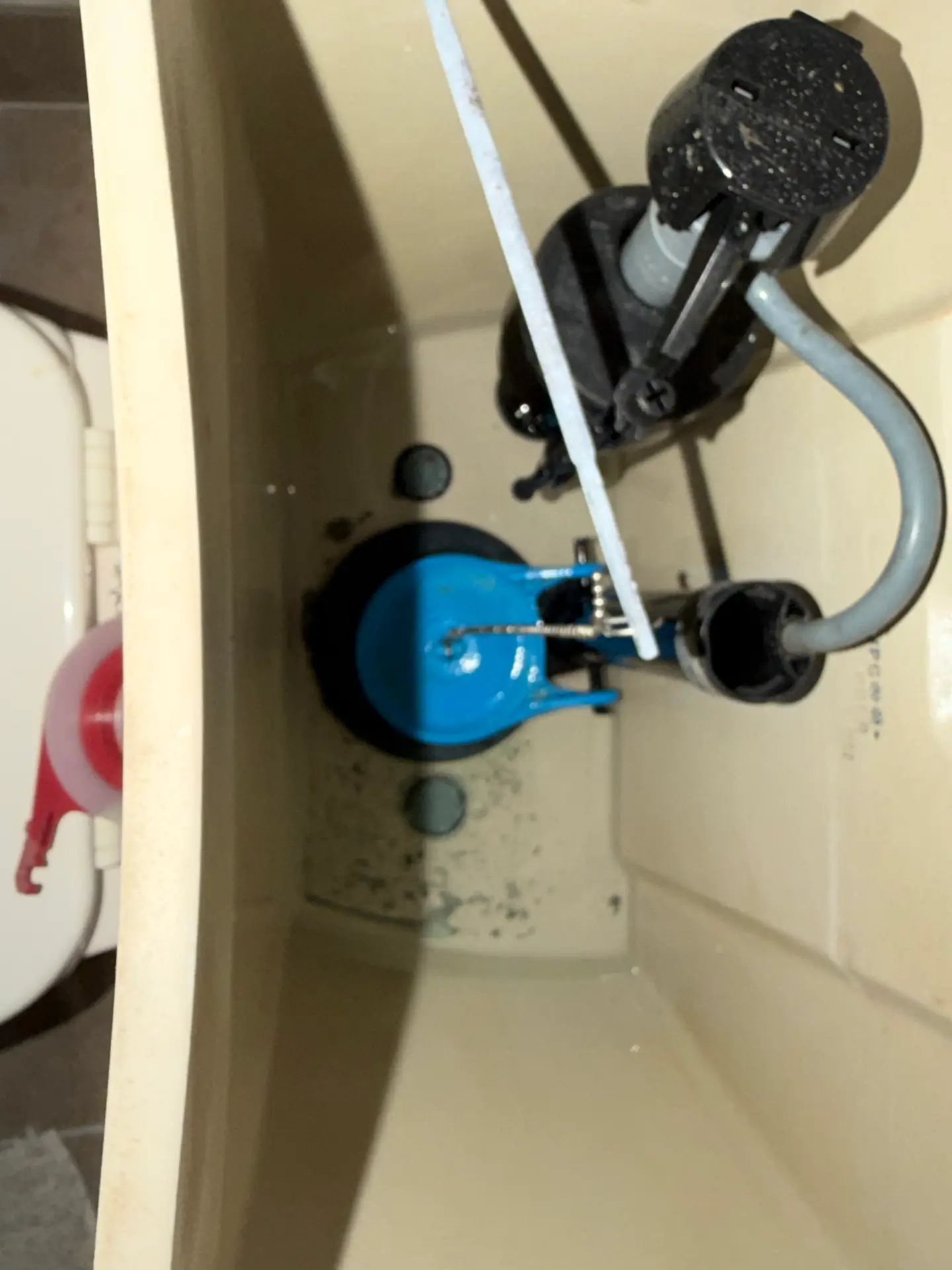
Tell us whether the toilet runs constantly, refills between uses, flushes poorly, leaks, or moves at the base. Note when each symptom occurs and whether it is new. A refill problem inside the tank can be different from water appearing outside the fixture. Toilet repair should begin with an assessment of the fixture and connections rather than assuming that every symptom requires complete replacement.
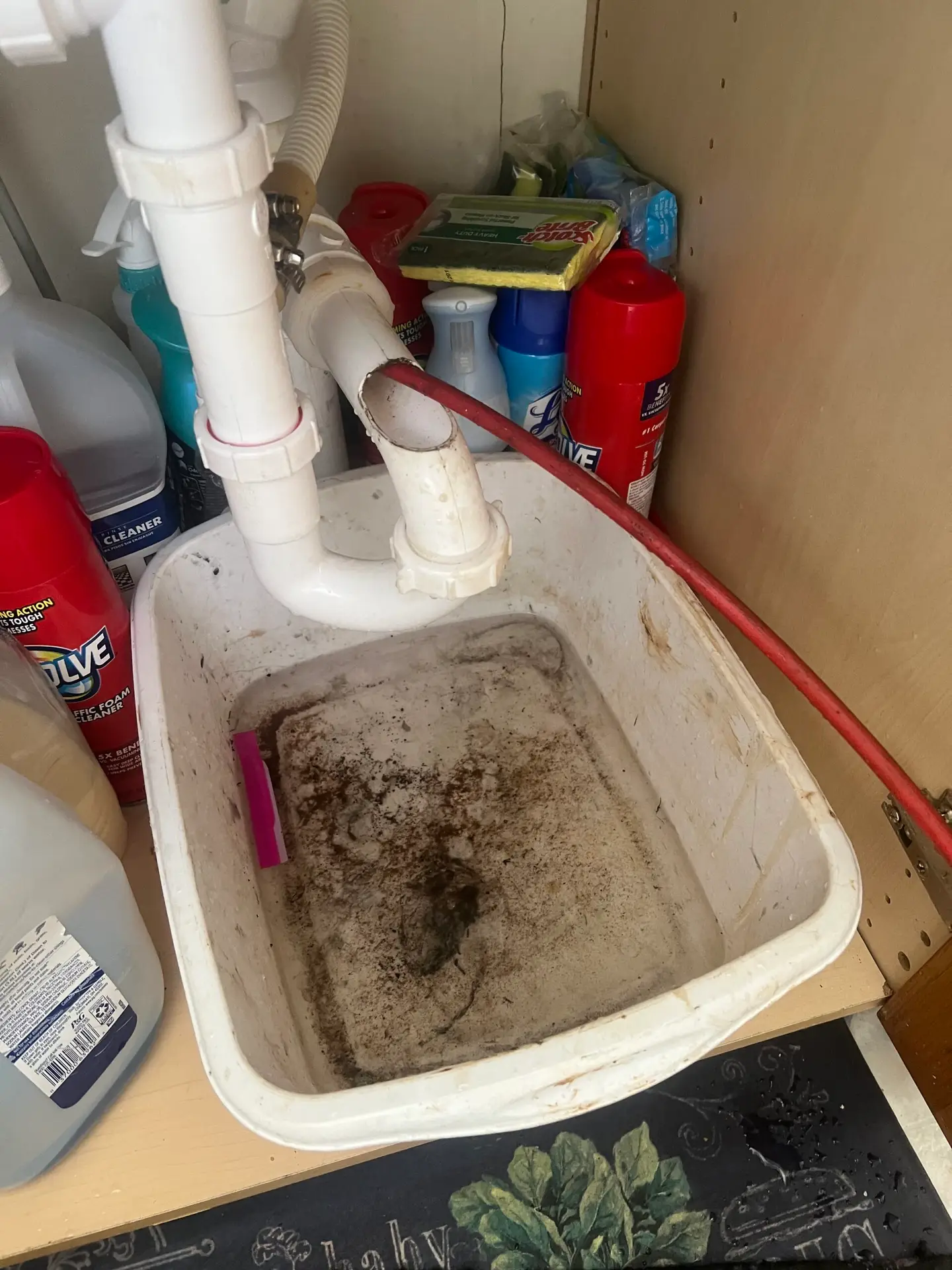
For a flushing concern, explain whether the problem is occasional or recurring and whether other drains are affected. A toilet that backs up by itself and a toilet that reacts when another fixture runs may involve different work. Repeated plunging is not a diagnosis of the connected drainage. Tell us about previous service and whether it changed the symptoms so the assessment includes the relevant history.
For visible water, identify where it appears: the tank, supply connection, base, or surrounding floor. Explain whether it appears during use or continues between uses. A moving fixture may involve mounting and related conditions, so replacing only a seal should not be assumed before assessment. Avoid continuing to use a fixture that is overflowing, and call directly with the symptoms to discuss current service arrangements.
Toilet replacement: compare fit and practical use before purchasing
Start with the existing bathroom space and installation arrangement. The proposed model must work with the available clearance and connections. Bowl shape, fixture dimensions, seat height, and the way the bathroom door opens can affect everyday use. Share the manufacturer's specifications before purchasing so the requested installation can be reviewed alongside the current setup rather than judged from a product photograph alone.
A toilet replacement may also involve supporting connections. Ask whether the estimate includes removal of the old fixture, setting the new one, mounting components, supply connections, and checks after installation. If an existing valve, flange, or other connection needs separate attention, discuss the finding before adding work. Replacing a fixture does not automatically resolve a drainage problem elsewhere in the system.
For an owner-supplied toilet, keep the model information and supplied parts together. Discuss compatibility and who supplies any additional required items. Equipment and installation warranty terms should be reviewed for the actual product and work. We do not assume that every boxed fixture fits every bathroom, that missing parts can be ignored, or that customer-supplied equipment creates the same installation scope as another model.
New toilet installation and bathroom remodeling in Madison
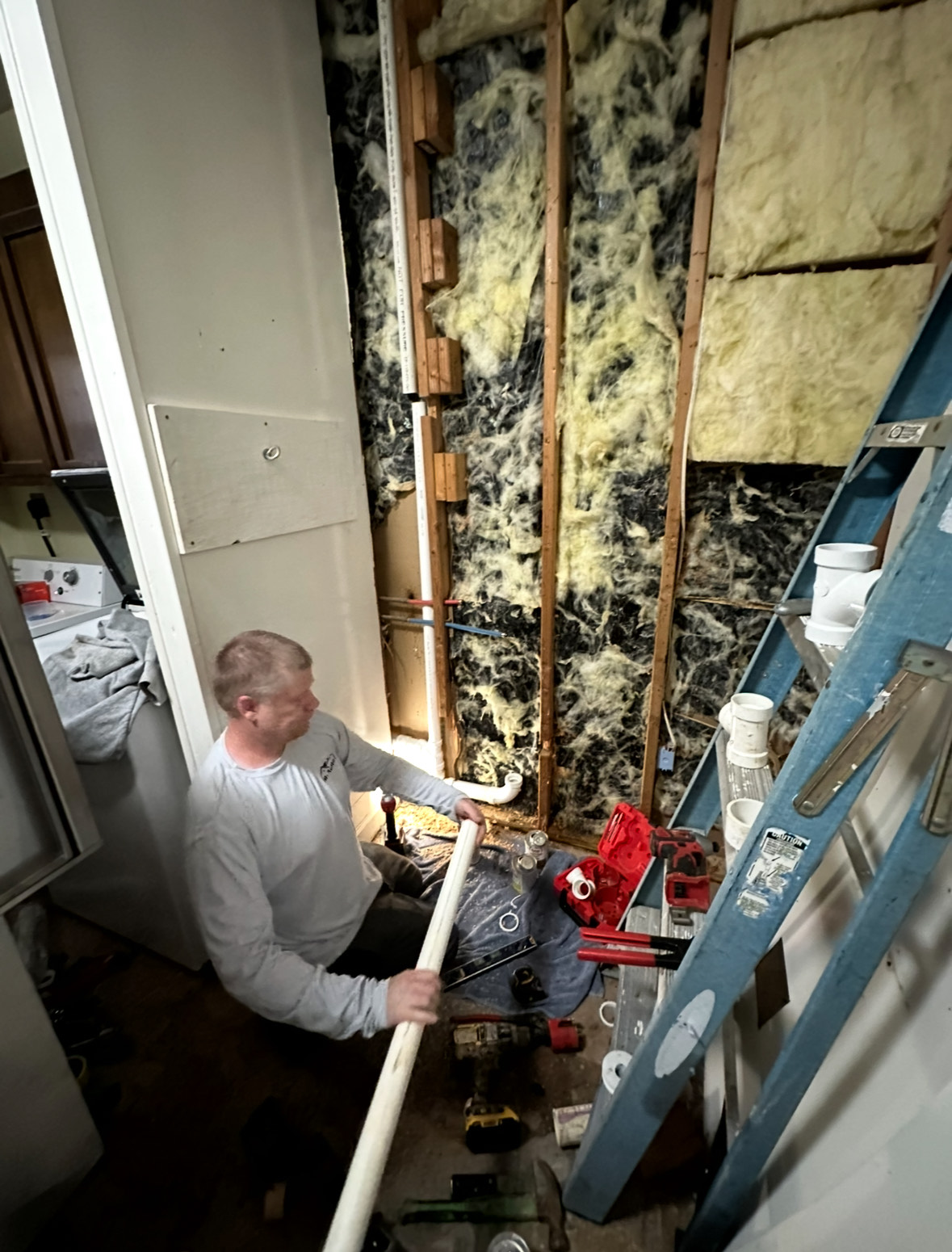
Installing a toilet in a new bathroom or a different location is a different project from replacing a fixture on existing connections. Share the plans, proposed location, and construction stage. Drain and supply arrangements, access, and coordination with other work need review before an installation date is assumed. An early plumbing conversation helps clarify the scope before floors and walls make changes harder.
If you are remodeling an occupied home, explain whether another bathroom is available and which parts of the project are already complete. Coordinate fixture decisions with the finished layout and the responsible project contact. Toilet repair, replacement, and new installation can be discussed together, but the estimate should identify the actual work required. A relocated fixture should not be described as a simple replacement when new plumbing arrangements are needed.
For rentals, identify who chooses the fixture, who approves related repairs, and who provides access. Tenant preferences and owner decisions may need coordination before the visit. Share the selected model and any project instructions early. Scheduling depends on the approved scope, access, and equipment availability, so avoid promising a completed bathroom to occupants before those arrangements have been confirmed.
After toilet repair or installation: checks and useful records
Review the completed work and any related findings before the service visit ends. Ask which operation and connections were checked and whether any further work is recommended. Keep the fixture model and service record available for future questions. If a running or flushing problem returns, describe the timing and behavior rather than assuming that the same part has failed or that a whole new fixture is immediately required.
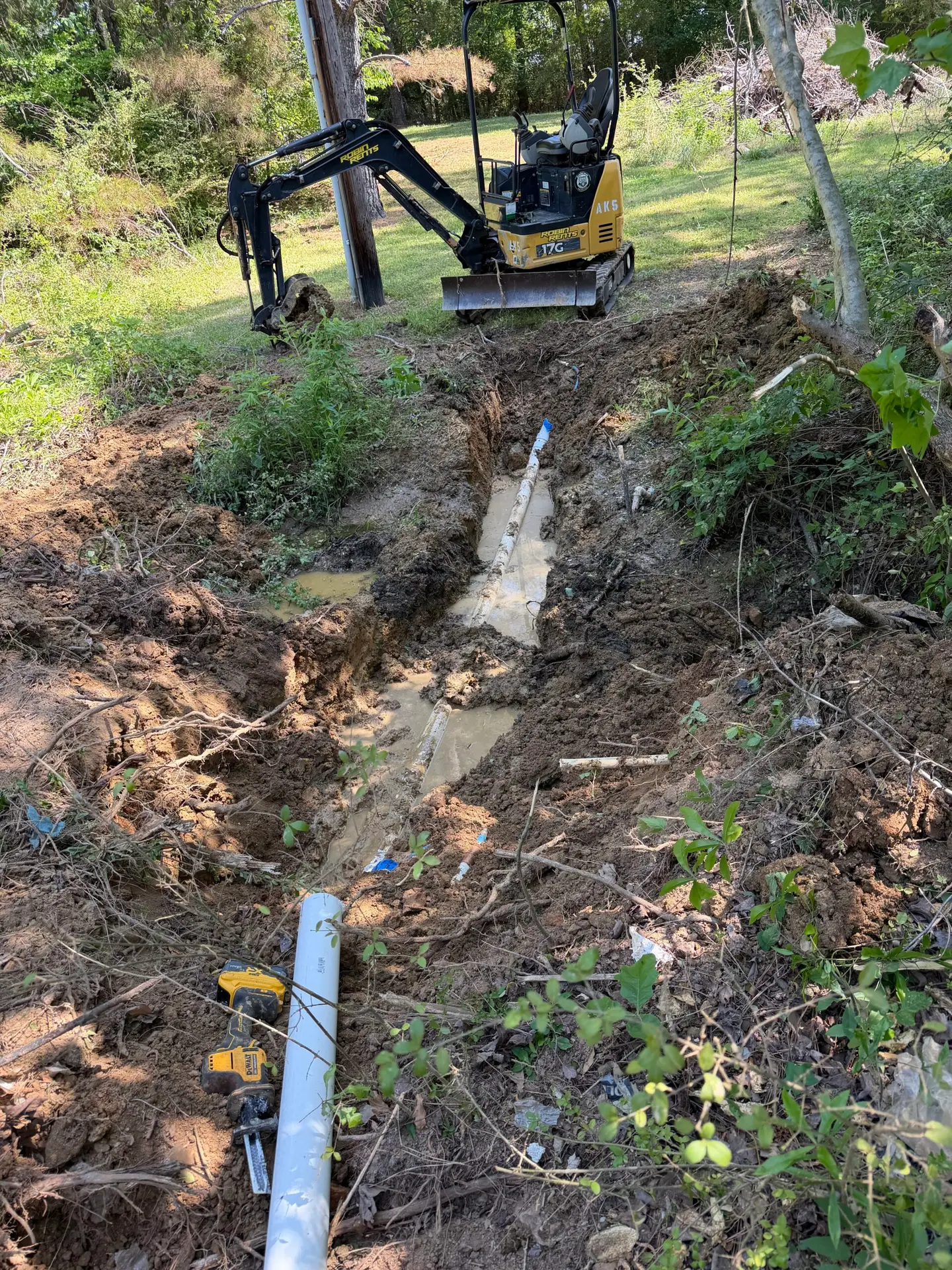
A new toilet does not change what the connected drainage can accept. Follow the fixture manufacturer's care instructions and keep unsuitable items out of the toilet. If several drains develop problems together, report that pattern instead of treating the toilet as the only affected fixture. The service conversation can then distinguish a fixture concern from a broader drainage issue and discuss the appropriate assessment.
For planned toilet repair in Madison, call or book online with the symptoms, complete address, and any replacement model details. Mention whether the fixture is the home's only available toilet and who can authorize work. For an active overflow, avoid flushing again and call 256-998-8760 directly. Our team will discuss the situation and current service arrangements without assuming that an online booking request communicates an urgent condition.