Water heater repair, replacement, and new installation: choosing the right scope
Repair starts with identifying what failed. A temperature complaint, moisture around a connection, and a leaking tank body are different problems. Tell us whether the change was sudden, whether the water becomes warm before turning cold, and whether the concern affects every hot-water fixture. These observations help us plan the visit, but they do not replace an assessment of the equipment and its connections.
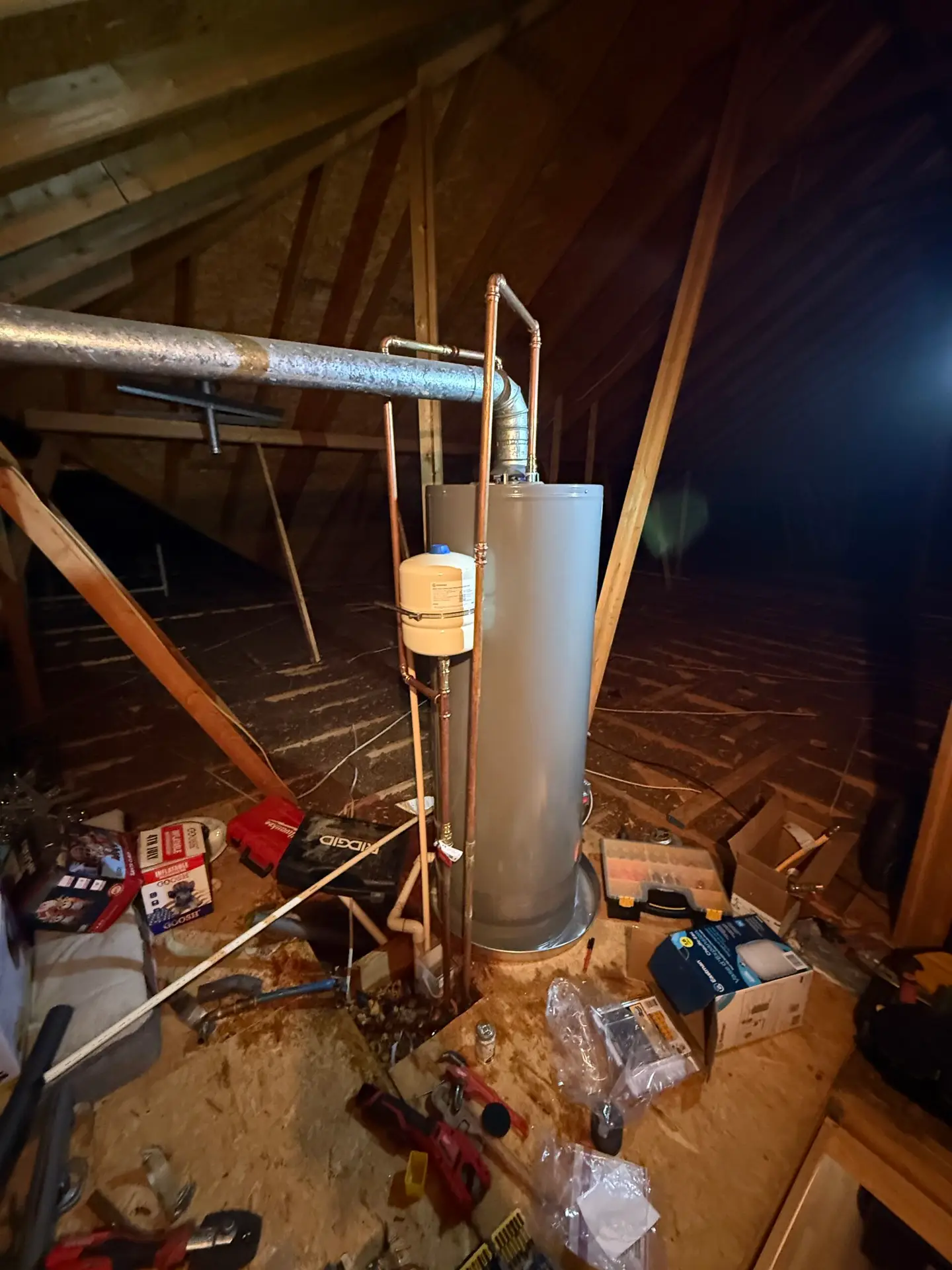
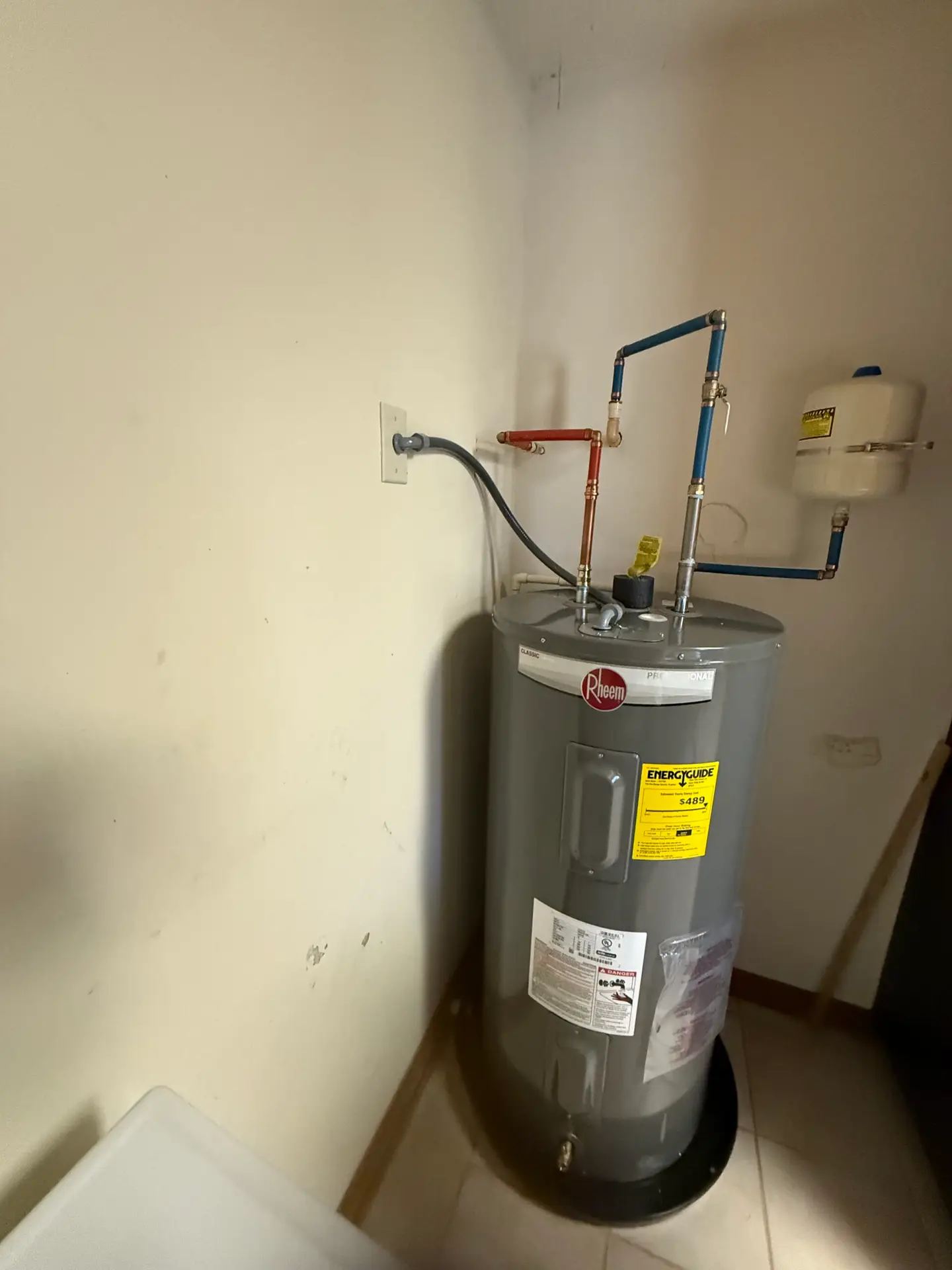
Replacement means removing an existing unit and installing a suitable replacement. Keeping the same fuel type and general location may simplify planning, but the connections, space, condition of surrounding plumbing, and installation requirements still need review. Do not assume that two units with the same advertised capacity have identical dimensions or connection arrangements. Send the proposed model specifications before committing to a purchase.
A new installation adds equipment where the required arrangements may not yet exist. A remodel, addition, or change in equipment location can involve supply piping, electrical or fuel requirements, drainage provisions, and coordination with other work. Share your plans early so the installation scope can be discussed before cabinets, walls, or construction schedules make access harder. Repair, replacement, and installation all belong in the same service conversation; the findings determine which route makes sense.
Compare tank and tankless water heater options for your Madison household
Start with the way your household uses hot water. The number of people alone does not describe demand: overlapping showers, a large bathtub, laundry timing, and several fixtures operating together can change the discussion. Note when you run short and whether that is a new problem with otherwise unchanged habits. A performance complaint can come from equipment condition or another plumbing concern rather than equipment size alone.
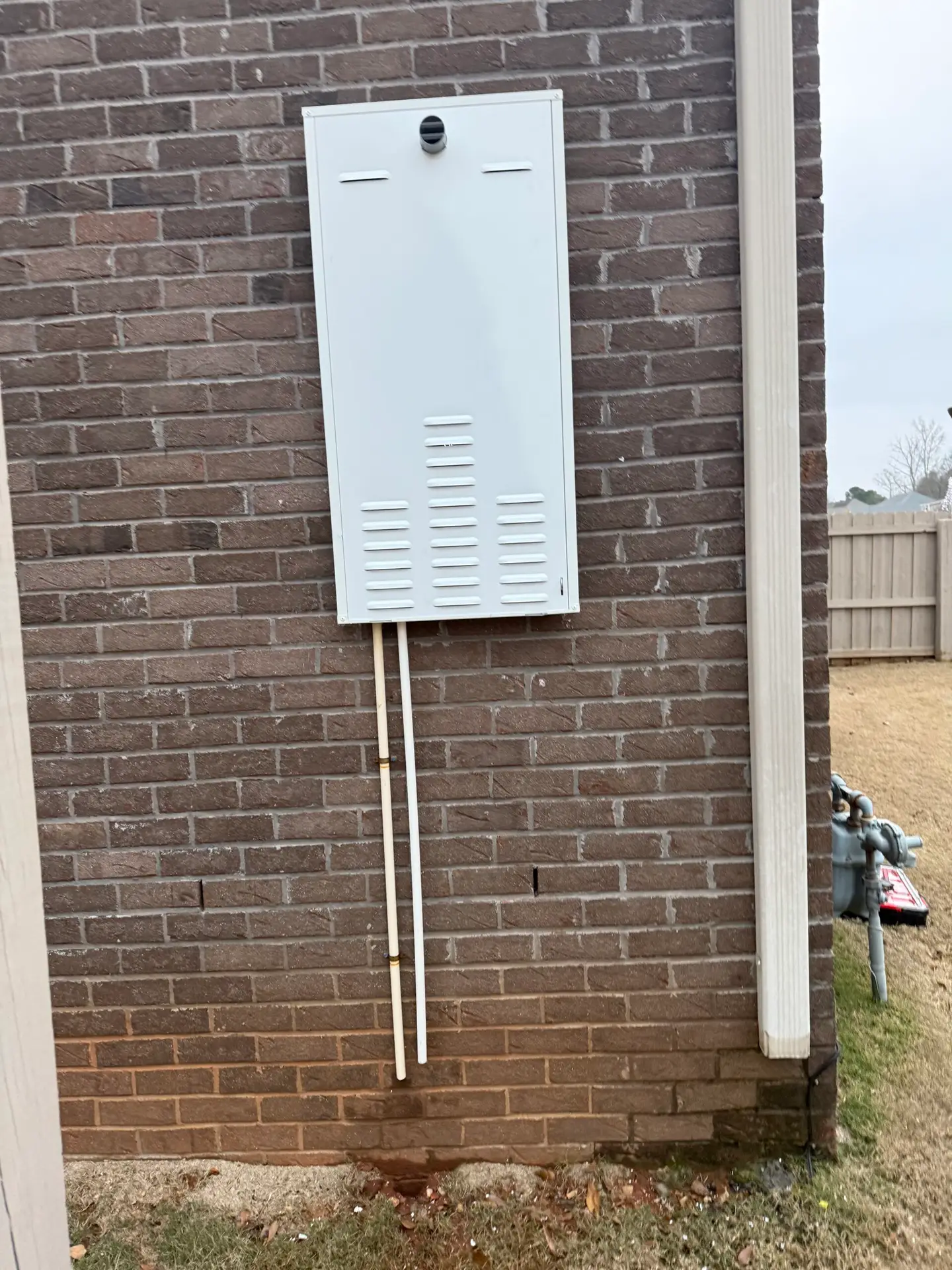
A storage tank keeps heated water available, while a tankless system heats water as it flows through the equipment. Changing systems requires a review of the actual installation, not just a comparison of marketing claims. For a tankless conversion, discuss fuel or electrical requirements, venting where applicable, installation space, and maintenance access. A smaller cabinet footprint does not automatically mean the conversion is simple or appropriate for every property.
Keep the model information available for any equipment you already own. Manufacturer instructions, compatible parts, and the installation arrangement matter when planning maintenance or repair. If you are considering Rinnai equipment, share the model and the desired change so our team can review the request. We do not promise a particular energy saving, unlimited performance, or a payback period without examining the equipment and the household's needs.
What to review in a water heater service estimate
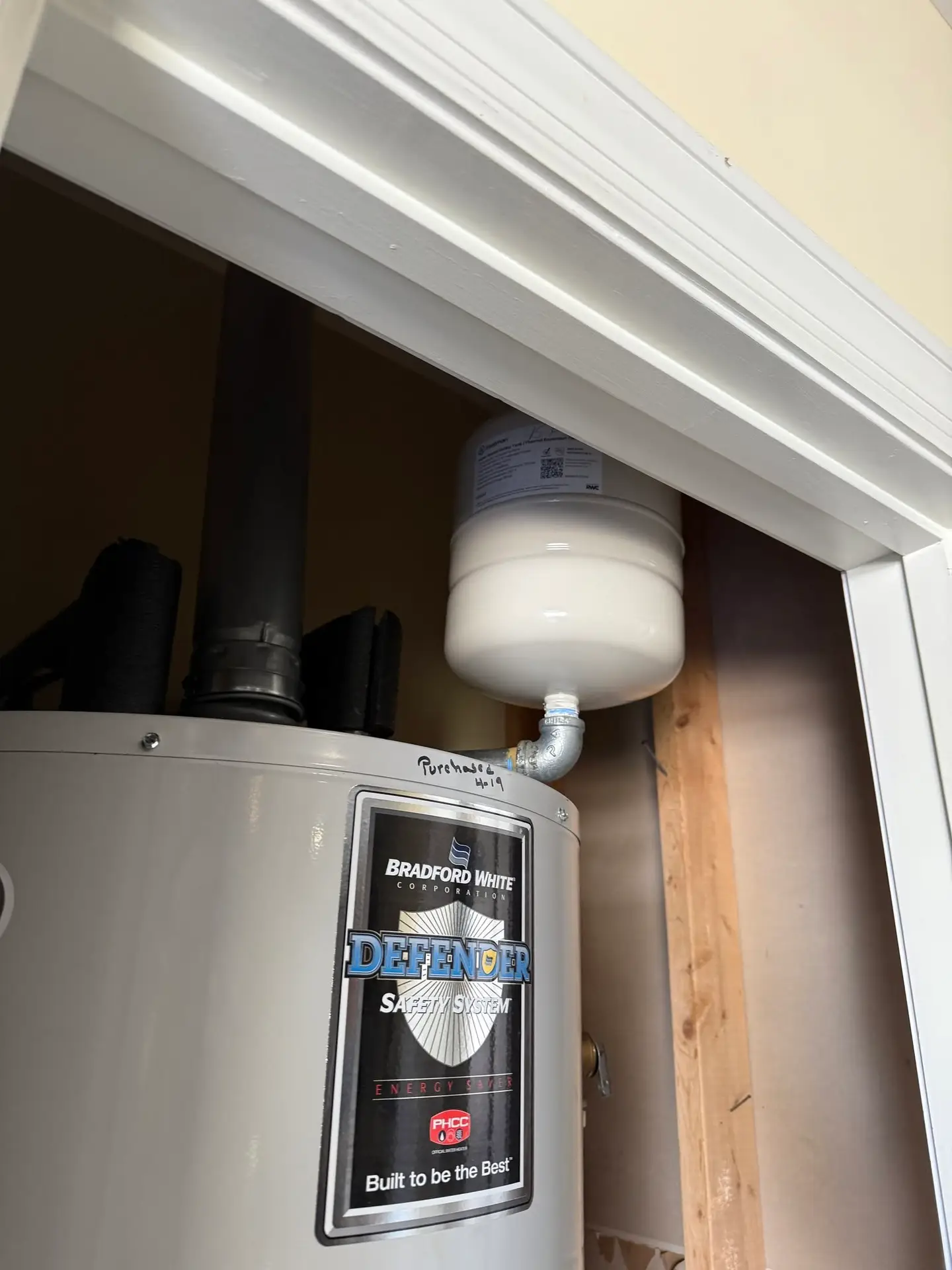
An estimate should make the proposed work understandable. Ask whether it covers equipment, installation labor, connection changes, removal of the existing unit, and any supporting plumbing identified during assessment. If a valve, expansion tank, or nearby connection needs separate work, discuss that scope before authorizing it. Comparing two estimates is more useful when you compare what each includes rather than looking only at the final price.
For a replacement, review the proposed equipment type and model, where it will be installed, and the practical requirements of getting it into place. Narrow doors, stairs, garage storage, and utility-room access can affect the work. Let us know about these conditions when arranging your Madison visit. If a tenant occupies the property, identify the person responsible for choosing equipment and approving the work before the service appointment.
Ask how the work will affect access to hot water and which arrangements need to be completed before service starts. Timing depends on the equipment, approved scope, access, and availability; it is confirmed during scheduling. Keep the estimate and equipment information for your records. Warranty terms depend on the equipment and work involved, so review the actual terms rather than assuming every part and service has the same coverage.
After your water heater service: keep useful records and access clear
Record the model, serial number, service date, and the work completed. These details make a later service conversation more precise and can help identify compatible parts. Keep any manufacturer information with the service record. If the symptoms return, describe what changed after the visit and whether the concern is the same at every fixture. Reporting the sequence is more helpful than guessing that the same component has failed again.
Leave reasonable access to the equipment and its service connections. A garage or utility space can gradually fill with storage, making routine inspection and maintenance harder. Ask which care and maintenance instructions apply to your exact model and installation. Tank and tankless equipment have different requirements, and a maintenance schedule should follow the manufacturer's guidance and the condition of the system rather than a generic internet checklist.
For planned water heater service in Madison, use the booking link or call with the equipment details and complete address. For an active leak or a sudden loss of service, call directly and describe what is happening. Our team will discuss current arrangements and the information needed for assessment. Do not remove equipment covers or attempt fuel or electrical repairs as a substitute for an appropriate service visit.