Drain cleaning begins with the pattern of the problem
Describe whether one fixture drains slowly or several fixtures are affected. A bathroom sink that is slow on its own can require a different assessment from a toilet and shower backing up together. Tell us which fixture shows the problem first and whether using another fixture changes it. These observations help define the service request without assuming that every drainage problem is in the main sewer.
Explain how the problem developed. A sudden blockage, gradually slowing drainage, and repeated backups after earlier service can point to different concerns. Share any previous drain cleaning and how long normal flow lasted afterward. If the problem happens only at certain times, describe what is in use then. The history informs the assessment, but it does not prove the cause or replace checking the affected system.
Let us know about products already used and any known access points. Previous chemical use is relevant to the service conversation. Do not remove concealed fittings or repeatedly add water to demonstrate a backup. The proposed work depends on the symptoms, access, and condition. Restoring flow and deciding whether a damaged line needs repair can be separate steps, with findings explained before additional work is authorized.
Kitchen, bathroom, and shared drains need appropriate assessment
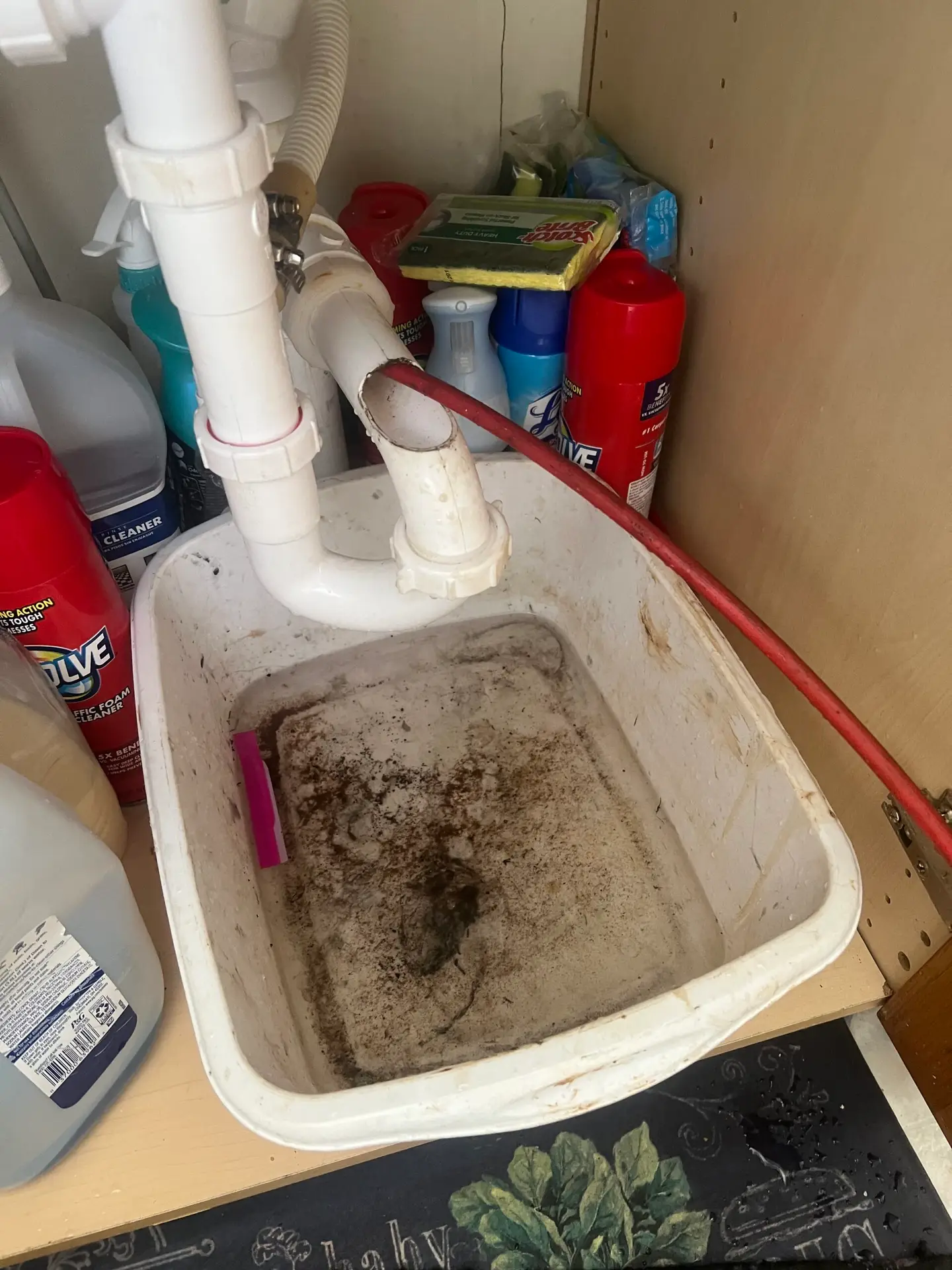
Kitchen drainage can involve the sink, trap, branch piping, disposal connection, and other connected equipment. Tell us whether both sink bowls are affected, whether the disposal is involved, and whether water returns when another appliance runs. A disposal that does not operate and a drain that does not carry water are different service concerns. Our drain cleaning request starts with the observed behavior rather than assuming one tool or replacement will solve every problem.
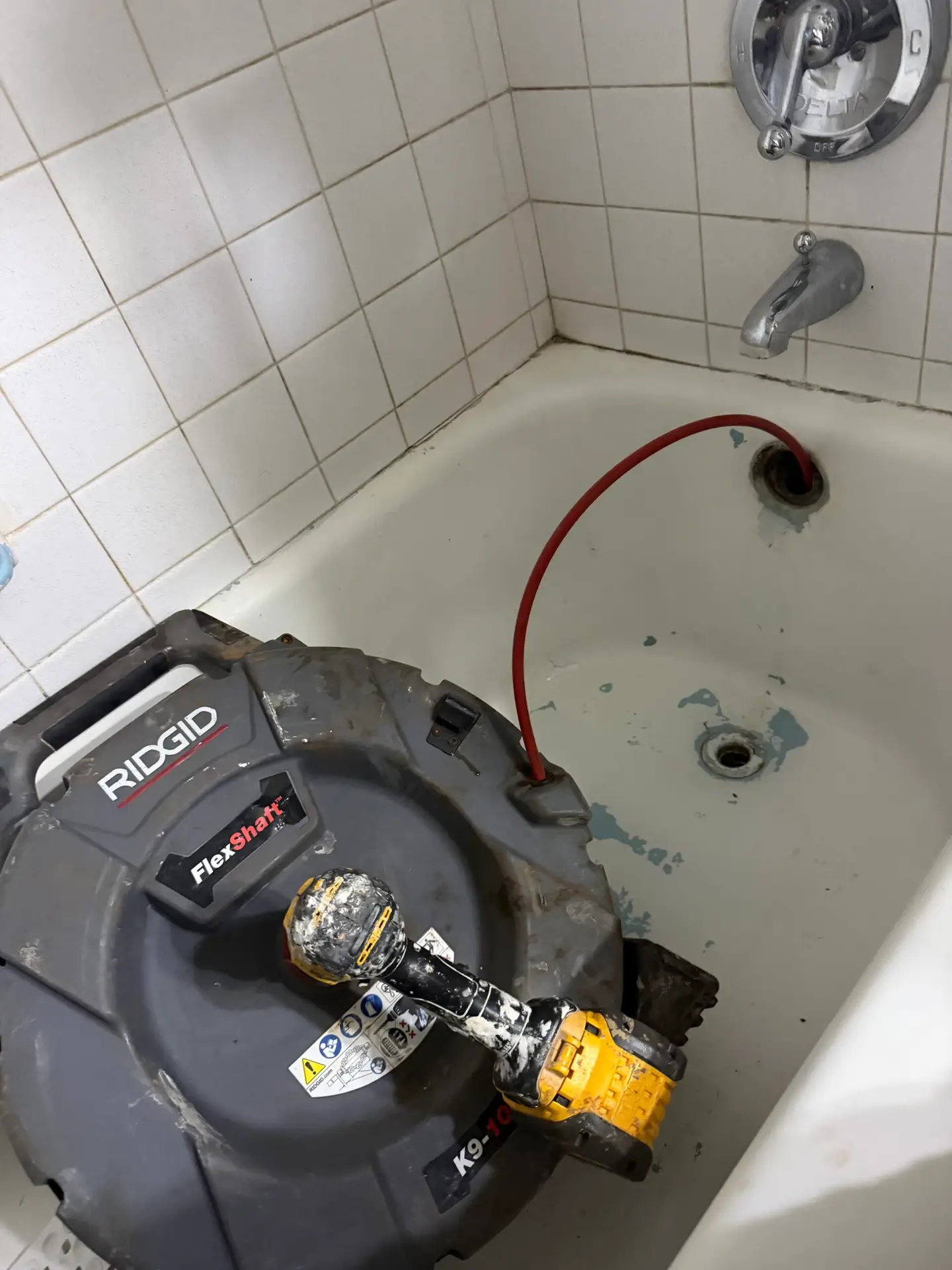
For bathrooms, identify whether the sink, tub, shower, or toilet is affected. Mention gurgling, standing water, or changes when another fixture is used. A fixture-specific restriction and a shared branch problem may require different work. If the toilet overflows, avoid repeated flushing and call directly. If several fixtures back up together, state that clearly so the service conversation includes the wider drainage concern.
At a rental or managed property, gather reports from the affected occupants where practical. Similar complaints in different rooms can be useful information, but each report should identify the location and timing. Explain who can provide access and authorize work. Do not assume that a neighbor's drain service establishes the cause at your property; the recommendation must follow the condition and access found in the actual system.
Recurring clogs: when drain cleaning is only part of the solution
A drain that repeatedly slows after temporary relief deserves a discussion of what is recurring and where. Tell us how often the symptoms return, whether the same fixture is affected, and whether prior service identified any condition needing further attention. A restored flow does not by itself establish that the entire line is sound. Ask what the assessment shows and whether additional investigation is recommended.
Cleaning and repair serve different purposes. Drain cleaning addresses a restriction or blockage; repair addresses a condition that cleaning cannot correct. We explain the proposed service and its practical limits before the work proceeds. If a damaged line or another plumbing condition is suspected, discuss what is known, what still needs assessment, and what separate work would require approval. Avoid treating every recurring clog as automatic proof that replacement is necessary.
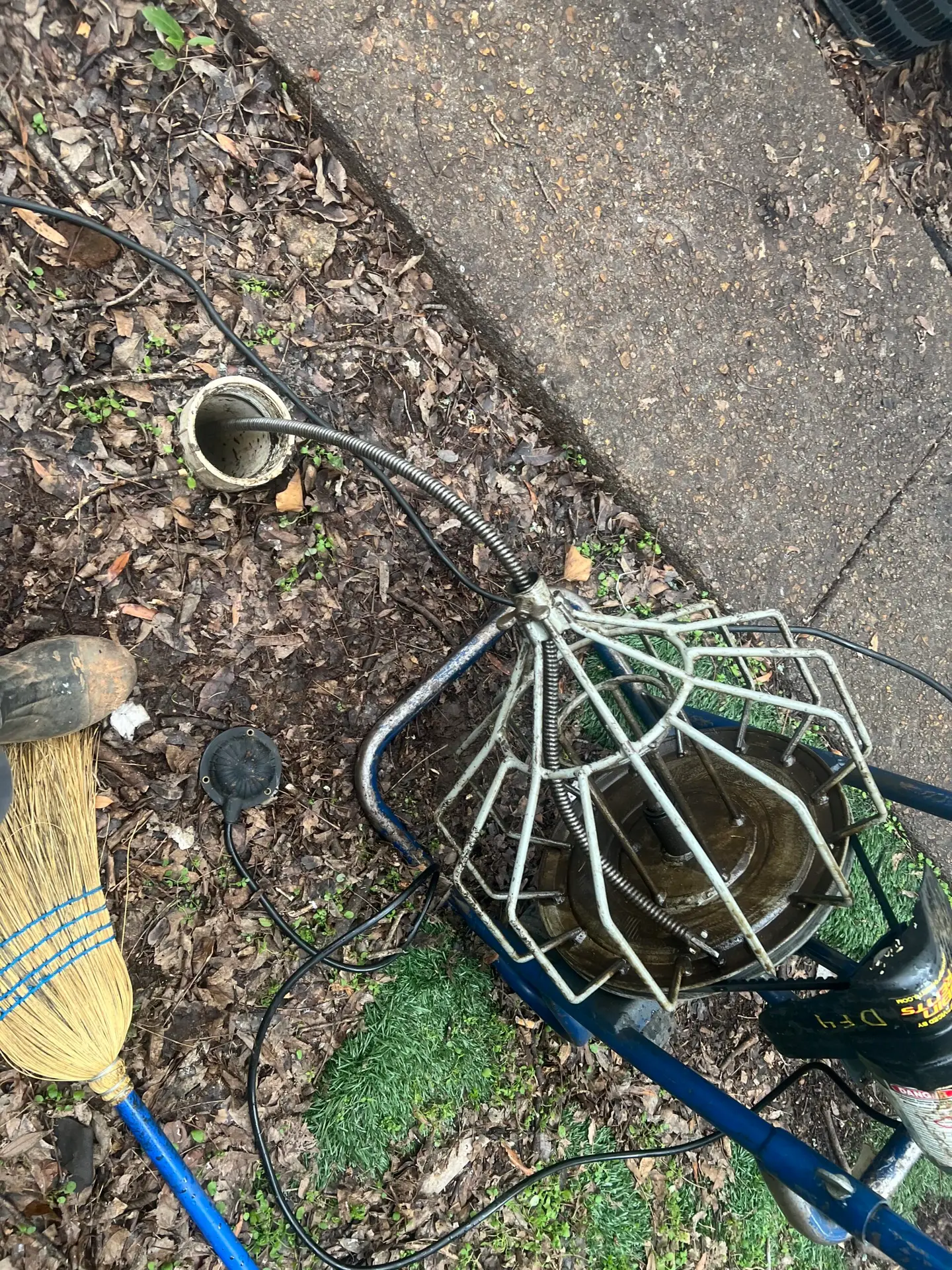
Access matters when comparing options. An available cleanout, fixture connection, or other suitable access point can affect the approach. Describe any known access without attempting to open unfamiliar piping yourself. Ask whether the estimate covers the requested cleaning only or also includes further assessment. The cost, timing, and outcome depend on the condition found; no drain cleaning method can responsibly be promised as a permanent solution to every cause.
What to ask after drain cleaning in Madison
Review which part of the system was serviced, what was observed, and what was checked afterward. Ask whether normal use can resume and whether any further assessment or repair is recommended. Keep the service record and note the affected fixtures. If a problem returns, share the timing and whether the pattern matches the original concern. That information makes a follow-up conversation more useful than reporting only that a drain is bad again.
Discuss habits relevant to the actual fixture and findings. Avoid treating a disposal as a substitute for appropriate waste handling, and keep unsuitable items out of drains. Manufacturer information and the system's condition should guide care advice. We do not recommend repeatedly adding chemical products as a substitute for assessing a recurring blockage. Let the service team know about any products used before a later visit.
For routine drain cleaning in Madison, call or use the booking link with your complete address, affected fixtures, and access information. For an active overflow or sewage backup, call directly and explain the present condition. Our team discusses the urgency and current arrangements. A service request is most useful when it distinguishes a planned slow-drain visit from a system that is currently backing up into the property.