Choose the right starting point for your plumbing problem
You do not need to identify a failed part before calling a plumber in Madison. Start with what you can observe: a sink takes longer to drain, a toilet runs between uses, several fixtures lose pressure, or the shower turns cold. Explain when the change began and whether it affects one fixture or the entire property. These details help define the requested assessment without assuming that every symptom has the same cause.
Use the service links above when you want a more detailed explanation of a particular concern. The water heater guide covers equipment choices and installation scope; the drain guide explains patterns that matter when clogs return. If several concerns overlap, tell us about them together. A running toilet and a slow shower drain may need separate work, while multiple fixtures backing up can point to a shared drainage concern.
For planned work, online booking starts the scheduling conversation. For water actively escaping or sewage backing up, call 256-998-8760 and explain the current conditions. Our monitored phone provides a way to discuss urgent needs outside normal daytime routines. It does not establish a guaranteed arrival time. We confirm availability, location, and the next step with you rather than leaving you to infer arrangements from a page heading.
Serving Madison from our Athens-based plumbing company
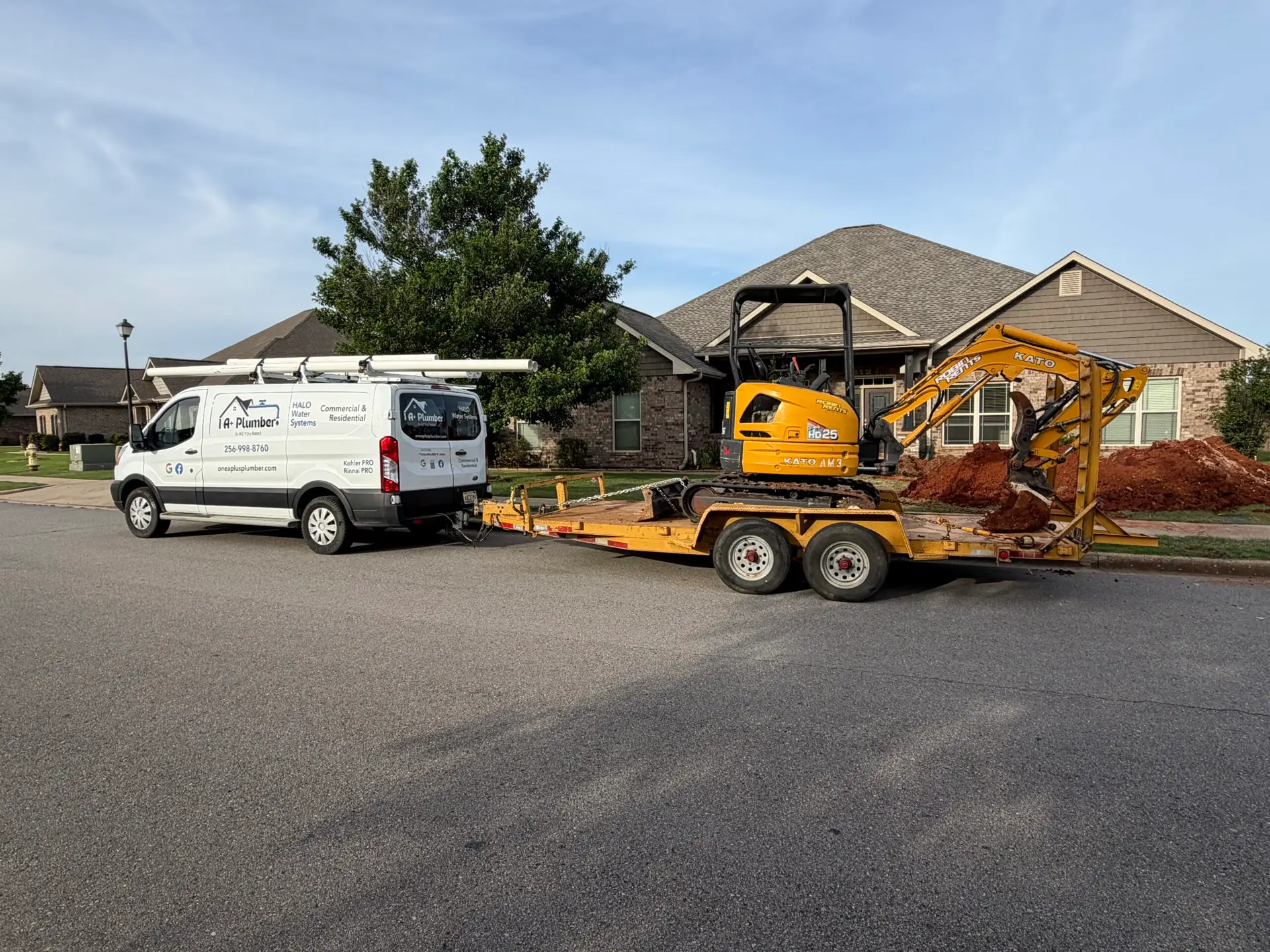
1 A+ Plumber is based in Athens and serves Madison and surrounding North Alabama communities. This page describes service coverage, not a separate Madison storefront. Give us the complete street address when requesting a visit, including unit or suite information where applicable. A city name alone is not enough to confirm the location, access, and appointment arrangements for your property.
For a home, tell us who will meet the plumber and whether the equipment is in a garage, utility room, crawlspace, or another restricted area. For a rental, identify both the person reporting the symptoms and the owner or manager who can approve work. Gate instructions, locked rooms, pets, and parking arrangements are practical details worth sharing before the appointment. They help the visit focus on the actual concern.
For a Madison business, describe opening hours, the affected facilities, and how the problem changes normal operations. A restroom concern in an occupied office has different access needs from a planned fixture installation in a vacant unit. We discuss service arrangements with the responsible contact. We do not assume the property type, promise an immediate response, or claim that a regional project photo was taken at a Madison address.
Repairs, replacements and new installations need clear scope
A repair addresses an identified problem with existing plumbing or equipment. Replacement removes an existing fixture or appliance and installs a suitable alternative. A new installation can require connections that are not already present. These are related services, but they are not interchangeable estimates. Describe whether you want the current problem corrected, different equipment installed, or plumbing added as part of an improvement.
Before purchasing a faucet, toilet, disposal, or water heater, discuss the proposed model and existing setup. Dimensions, mounting, supply requirements, drainage, and access can change the work. An advertised product specification does not establish compatibility with your home. If you already own the equipment, share the manufacturer and model information and keep the supplied components available for review. Ask which parts and connection changes are included in the proposed installation.
For a kitchen or bathroom improvement, share the room layout and construction stage before finishes restrict access. A project that keeps fixtures in place may differ from one that moves supply and drain connections. Identify other contractors involved and the person coordinating decisions. We explain the requested plumbing work and its scope; selecting finishes, changing unrelated trades, or guaranteeing a construction timetable is not implied by a routine plumbing appointment.
Water heaters: consider the symptom before choosing equipment
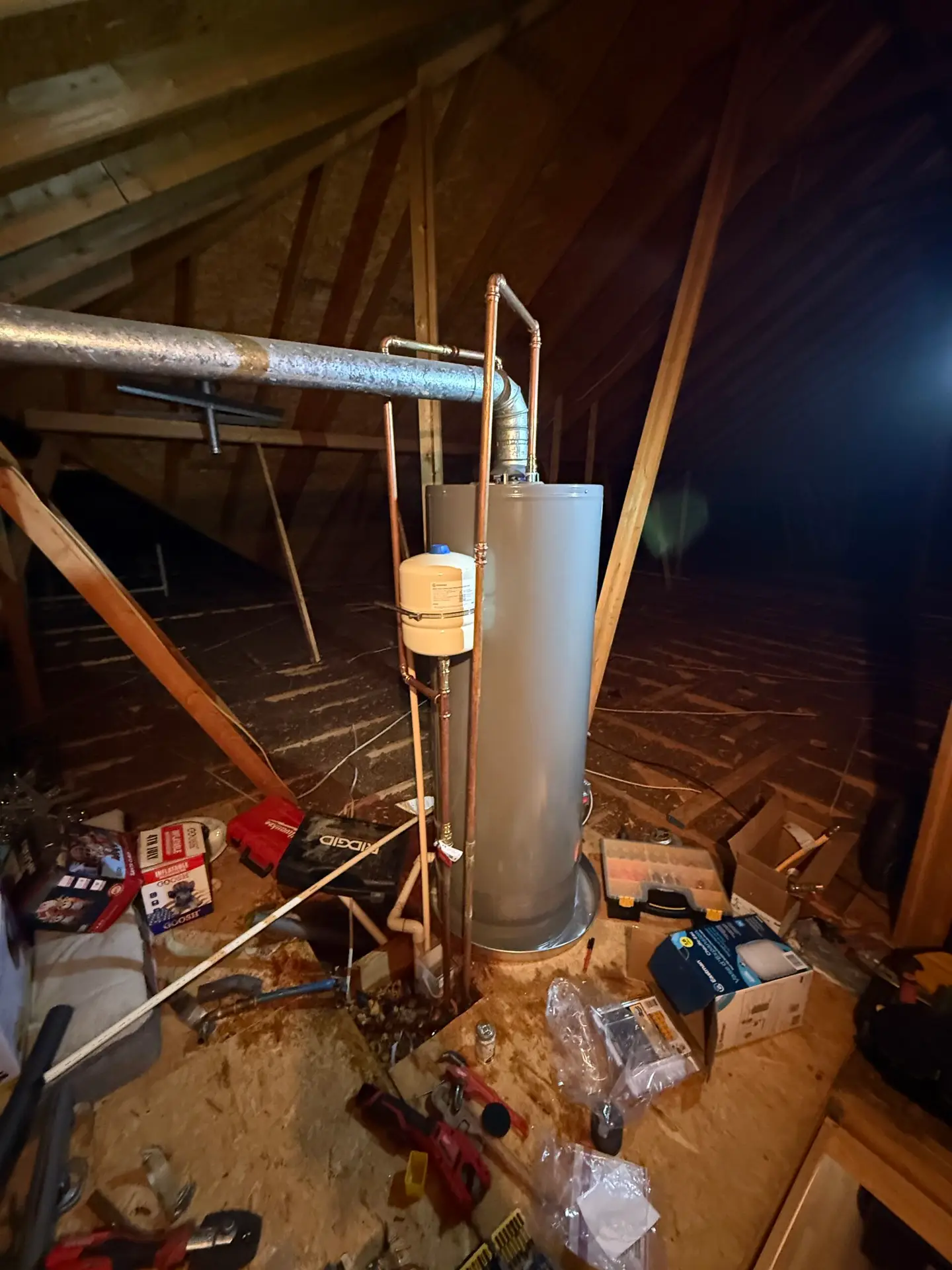
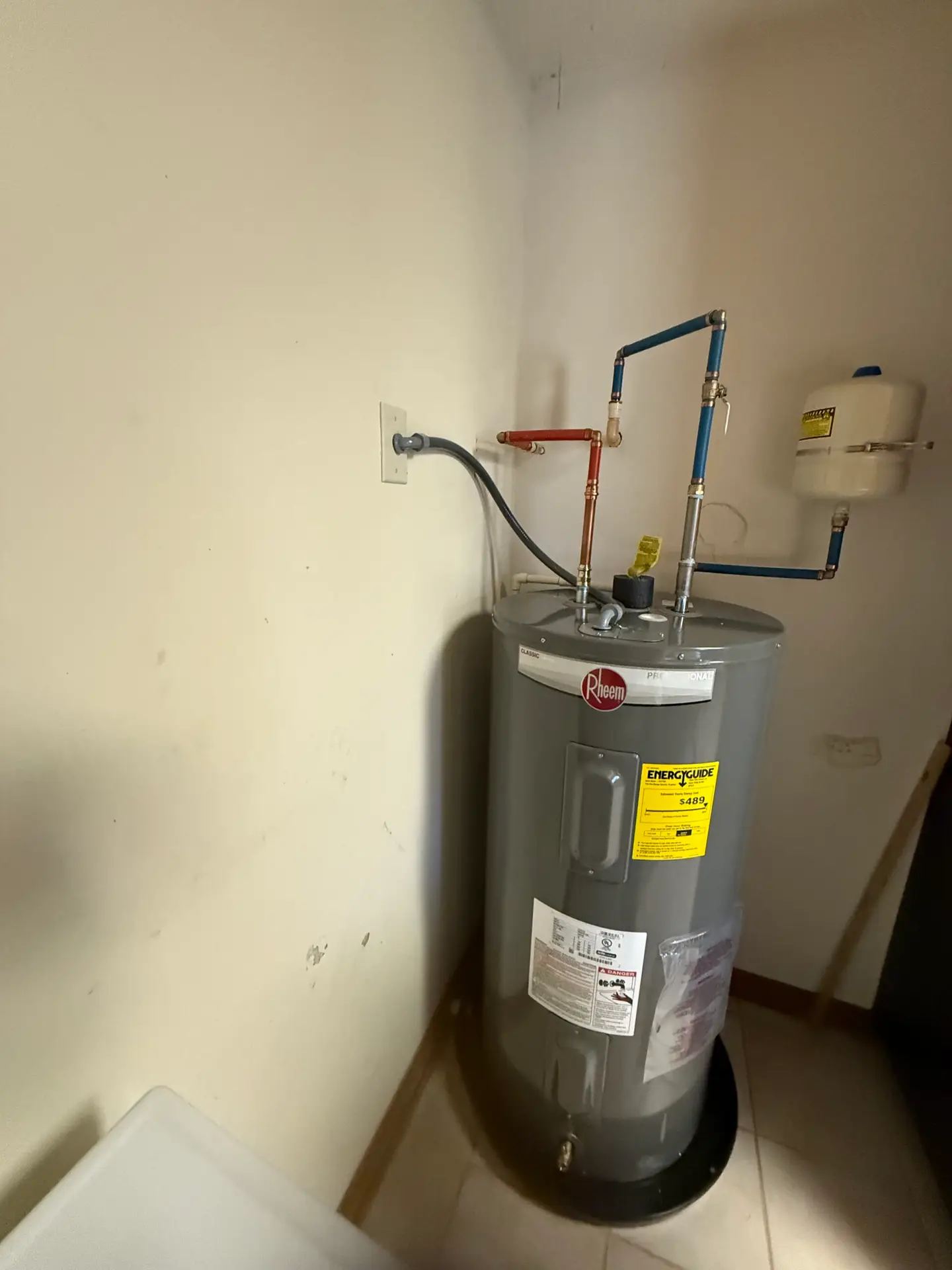
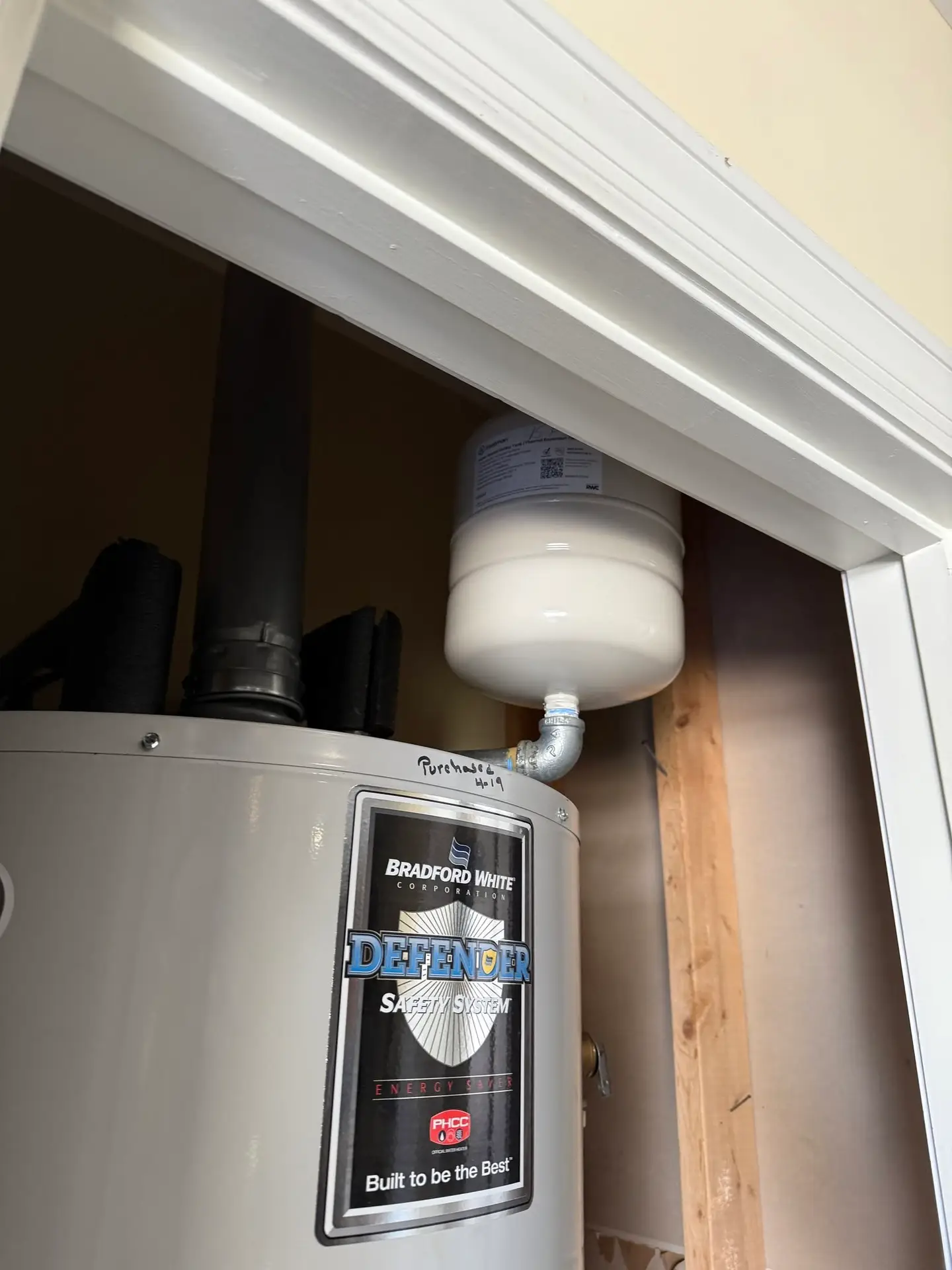
No hot water, fluctuating temperature, a displayed tankless error code, and visible moisture need different service conversations. Note whether every fixture is affected and whether the equipment is gas, electric, or tankless. A photo of an accessible model label can help identify the unit. Report what you can see without opening equipment covers or guessing at electrical or fuel-related repairs. The assessment determines the appropriate recommendation.
When comparing water heater repair and replacement in Madison, review the condition of the system, the failure, the proposed equipment, and installation requirements. Household use matters too: overlapping showers, a large bathtub, or several fixtures operating together can affect the discussion. A tankless conversion may involve fuel or electrical supply and venting where applicable. A smaller unit footprint alone does not establish that conversion is suitable or straightforward.
Ask what the estimate includes: equipment, labor, supporting plumbing, removal of the existing unit, and any separate connection work. Warranty terms depend on the equipment and agreed service, so review the actual terms. Our Madison water heater page brings repair, replacement, and installation information together. You can compare those choices in one place instead of navigating three nearly identical pages to understand the next step.
Drains and sewer concerns: describe the pattern
A single slow kitchen sink, an overflowing toilet, and a backup affecting several bathrooms may involve different parts of the drainage system. Tell us which fixtures are affected and whether water appears elsewhere when another fixture is used. Include previous service and how long any improvement lasted. Recurring symptoms are useful information, but they do not prove that a particular pipe is damaged or that one method will solve the concern.
Drain clearing and sewer line repair are separate decisions. Clearing may address an obstruction; structural repair involves the condition and scope of the affected piping. We discuss assessment and recommended work before proceeding. Our drain cleaning guide explains common patterns, while the regional sewer guide describes repair considerations. We do not advertise a specialized method simply because it is a popular search term. The service offered must match the equipment, findings, and agreed scope.
For an occupied Madison property, mention where drain access is located and whether any area is locked or difficult to reach. If a tenant reports a backup, arrange a callback contact who can describe what happens. Avoid repeated use of a fixture that is overflowing while you arrange assistance. Call directly about active sewage backup so the concern and current availability can be discussed with the information needed for the next step.
What to review before approving plumbing work
An understandable estimate explains the affected plumbing, proposed work, materials or equipment involved, and any supporting changes identified during assessment. Ask which items are included and which require a separate decision. A lower total is not necessarily the same scope. Comparing the actual work helps you choose between repair, replacement, or a planned improvement without assuming that every quote covers identical equipment and connections.
For rental and business properties, clarify approval authority before arranging service. Share the contact responsible for authorizing repairs, any limits that need discussion, and who can provide entry. For a home, identify the person making equipment choices and deciding on related work. These arrangements reduce uncertainty when a finding changes the proposed scope. Additional work should be discussed rather than treated as automatically approved by the initial request.
Following the agreed service, keep the estimate, equipment model details, and a record of the work completed. Ask about care instructions that apply to the particular fixture or system. If symptoms return, report the sequence and affected locations instead of assuming the same part failed again. For general household water-use information, the EPA WaterSense maintenance guide is a useful starting point alongside manufacturer instructions.