Residential plumbing: separate related symptoms from separate repairs
A room-by-room list makes a home service visit easier to plan. Start with the concern that affects daily use most, then add smaller items such as a dripping faucet, a slow drain, a running toilet, or a valve that is difficult to operate. Explain when each problem happens. Several symptoms may share a cause, but they can also be separate repairs requiring different parts, access, and decisions.
For example, a hot-water complaint at one shower is different from a complaint at every hot-water fixture. A single slow sink and backups across several bathrooms also call for different assessments. Residential plumbing starts with these distinctions rather than treating every symptom as proof that the whole system is failing. Describe what you observe and let the assessment guide the proposed work.
Share any previous work that is relevant to the current concern. Useful details include the affected fixture or pipe location, the approximate date, and whether the symptoms improved afterward. You do not need a complete history of the home to request service. Photos, fixture specifications, and existing service records can help prepare the conversation, but the final recommendation depends on the condition found at your property.
Plan fixture replacement before buying for your Madison home
A faucet or toilet selected from a showroom still needs to fit the existing installation. For faucets, share the mounting arrangement and the manufacturer's specifications for the proposed model. For toilets, discuss the available space, fixture dimensions, and connection requirements. Buying first can create extra work if the chosen fixture is incompatible with the current setup or the planned location.
Let us know whether the work is a simple fixture change or part of a larger remodel. Changing cabinets, countertops, wall locations, or the position of a sink can change the plumbing scope. Coordinate the proposed layout before finishes make access more difficult. A residential plumbing estimate should distinguish setting a compatible fixture from relocating piping or creating new connections for a changed layout.
For owner-supplied fixtures, keep all parts and model information together and discuss the requested installation before scheduling. Ask who will supply supporting connections and what happens if the selected equipment does not fit. Installation arrangements, equipment availability, and warranty terms should be reviewed for the actual project. We do not assume that every customer-supplied product is suitable or that every fixture can be installed during the same type of visit.
Understand access and repair scope before approving residential plumbing
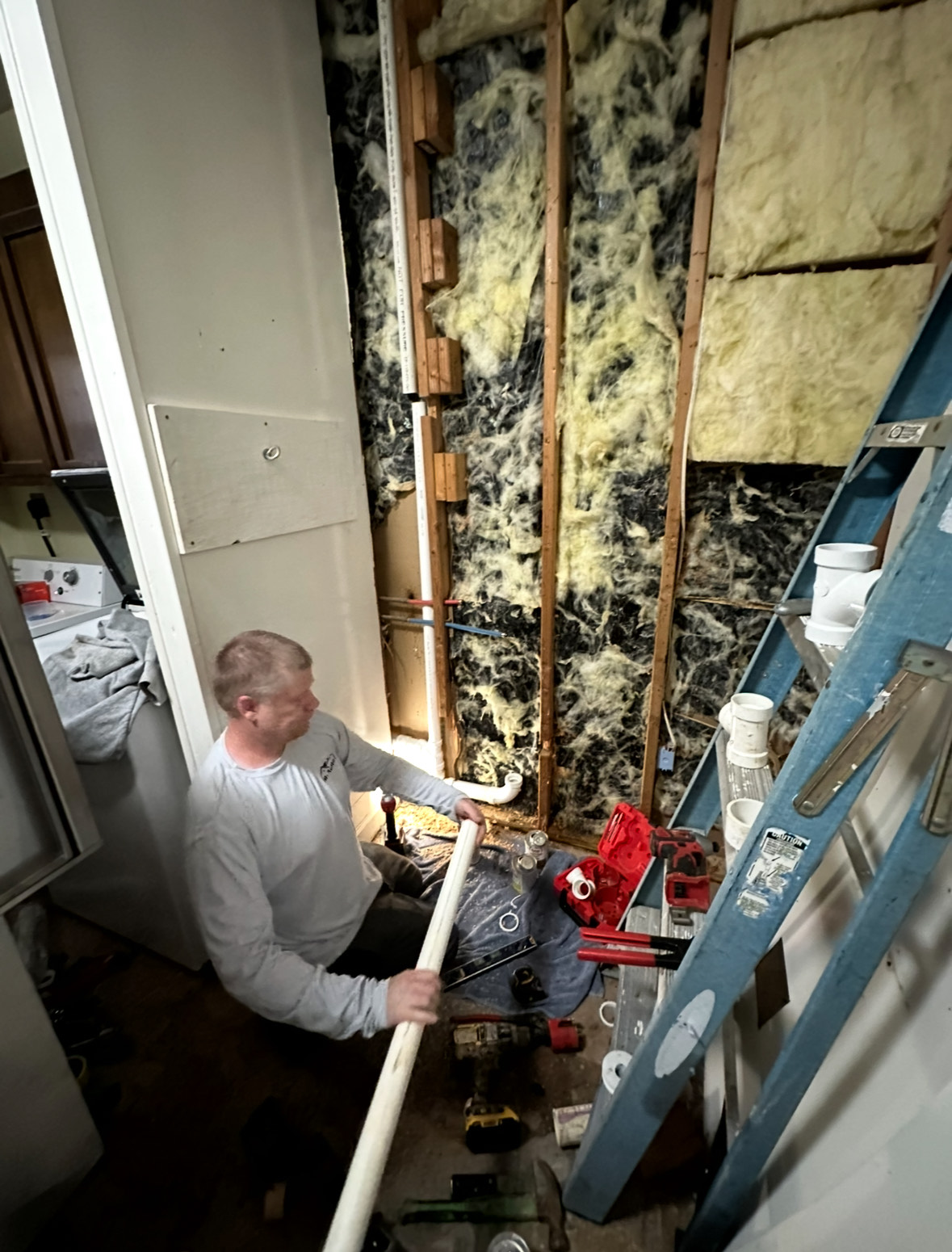
Visible plumbing can be straightforward to inspect, while a concealed concern may require additional access. Tell us where moisture, staining, or loss of function appears and whether the affected area is accessible. Avoid promising an access route before the location is assessed. The plumbing work and any separate building or finish repair should be clearly distinguished when reviewing the proposed scope.
Ask what the estimate includes: affected fixtures or piping, parts, labor, connection changes, and any related work identified during assessment. If an existing valve or connection needs attention before a fixture can be replaced, discuss that finding before approving more work. Comparing estimates is easier when the scope is visible rather than reduced to a single price without an explanation of what will be completed.
For occupied Madison homes, discuss access times and which fixtures may be unavailable during service. Tell us about a home office, tenant schedule, limited bathroom availability, or a locked utility space where relevant. These details help arrange the visit, but the duration depends on the approved work and conditions. A planned visit should include a person who can answer questions and approve the agreed scope.
Residential plumbing for rentals, improvements, and ongoing home care
Rental properties work best with clear contact and approval information. Identify the owner or property manager, the tenant who can describe the symptoms, and the person who will provide access. Share any approval limits or instructions before scheduling. A tenant's report and an owner's requested improvement can be different tasks, so describe both when you want them assessed together.
For a home improvement, explain the desired outcome in practical terms: a different fixture, improved access, a changed room layout, or plumbing for new equipment. Include the construction stage and other work that affects timing. Residential plumbing planning is easier before equipment is purchased and finishes are completed. We review the requested connections and service access without promising a treatment result or equipment performance that has not been assessed.
After service, keep the fixture model, work completed, and any recommended follow-up in your home records. Report recurring symptoms with the affected location and timing. For routine residential plumbing in Madison, book online or call with your list of concerns and complete address. For an active leak or backup, call directly so the urgency and current service arrangements can be discussed.